
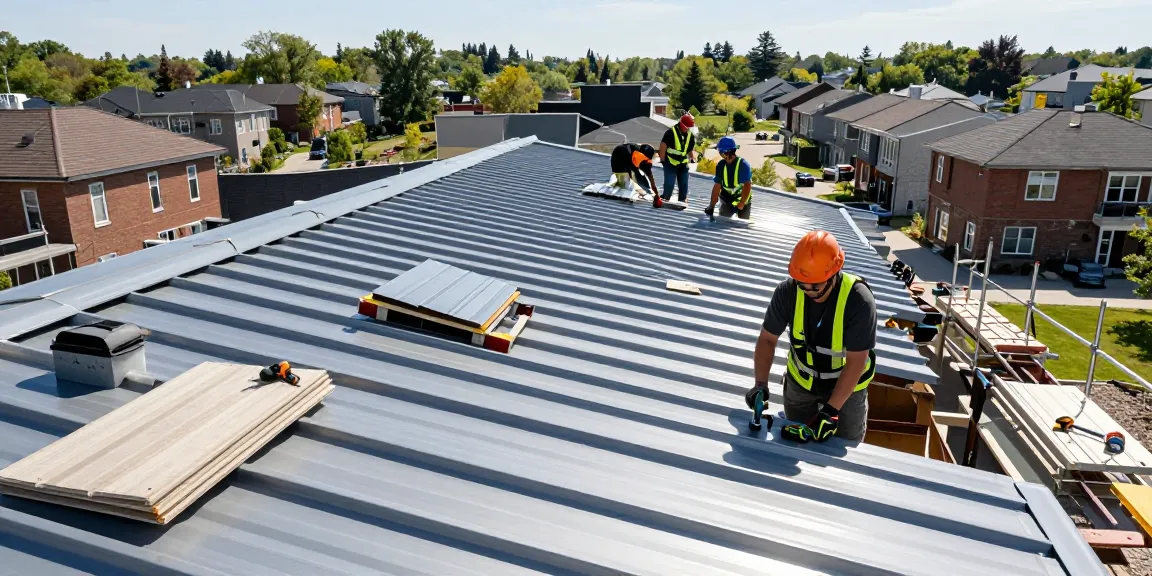
The Importance of Choosing a Metal Roof Installer
When it comes to upgrading or installing a roof, making the right choice of material and contractor is crucial. In the Greater Toronto Area (GTA), metal roofing has become a popular option among homeowners and commercial property owners alike. Choosing a reputable metal roof installer can significantly impact the performance, longevity, and aesthetic appeal of your new roof. This article will explore the multifaceted benefits of metal roofing and provide insights into selecting the best installers, types available, the installation process, maintenance tips, and cost considerations.
Understanding the Benefits of Metal Roofing
Metal roofing offers a plethora of advantages that make it an attractive option for properties in Toronto and the surrounding areas. Some of the primary benefits include:
- Durability: Metal roofs can withstand severe weather conditions, such as heavy rain, hail, and snow, which are prevalent in the GTA.
- Longevity: With proper maintenance, metal roofing can last 40 to 70 years, far exceeding traditional roofing materials such as asphalt shingles which usually last 15-20 years.
- Energy Efficiency: Metal roofs reflect solar radiant heat, which can lower energy costs during summer months by keeping your home cooler.
- Low Maintenance: Unlike traditional roofing, metal roofs require minimal maintenance, which can save homeowners both time and money over the years.
- Aesthetics: Available in a range of styles and colors, metal roofing can enhance the curb appeal of any property.
Key Features to Look for in an Installer
When selecting a metal roof installer, there are several key features to consider to ensure a successful installation:
- Experience: Look for contractors with a proven track record in metal roofing.
- Credentials: Verify that they are licensed and insured to protect against liabilities.
- Reputation: Read customer reviews and evaluate their portfolio of completed projects.
- Warranty: A good installer will offer warranties on both materials and workmanship.
Evaluating Installer Credentials and Experience
It’s crucial to vet potential installers before making a selection. Ask questions about their experience specifically with metal roofing installations, what types of metal roofing they typically work with, and whether they have references from past clients who can speak to their quality of work. A reputable installer should also be forthcoming about their safety practices and the steps they take to ensure a successful installation.
Types of Metal Roofing Available in Toronto
In Toronto, homeowners can choose from various types of metal roofing materials, each offering unique benefits and aesthetics. Understanding these options can help simplify the decision-making process.
Comparing Steel, Aluminum, and Copper Options
Each metal roofing option has its own set of characteristics:
- Steel: This is the most common metal roofing material, often coated with zinc to enhance durability. It is cost-effective and can be painted in various colors.
- Aluminum: Lightweight and resistant to rust, aluminum is an excellent choice for coastal areas with high humidity. It tends to be more expensive than steel but offers unique benefits like excellent malleability and recyclability.
- Copper: Known for its elegance and patina appearance, copper roofing is the most expensive option but offers unmatched durability and aesthetic appeal.
Choosing the Best Type for Your Property
Your choice of metal roofing material should align with your property’s style, budget, and environmental considerations. Factors such as climate, expected lifespan, and the aesthetic you desire will all play a role. For example, if you live in an area prone to heavy snowfall, a steeper roof pitch and a durable steel solution may be preferable.
Common Designs and Aesthetics of Metal Roofing
Beyond functionality, metal roofing can also enhance the visual appeal of your home. Available styles include:
- Standing Seam: This sleek design features vertical panels that create clean lines ideal for contemporary homes.
- Metal Shingles: Mimicking traditional roofing materials, these offer the aesthetic of shingles with the advantages of metal.
- Corrugated Metal: A cost-effective choice often used in agricultural buildings, this style is gaining popularity in residential applications.
Installation Process and Best Practices
The installation of a metal roof involves several stages, and understanding this process can help ensure a smooth experience. Proper installation is pivotal to maximizing the lifespan and benefits of your new roof.
Step-by-Step Guide to Metal Roof Installation
- Preparation: This includes assessing the roof structure, removing old roofing materials, and ensuring the surface is clean and stable.
- Installation of Underlayment: A protective underlayment is applied to the roof deck to provide an additional barrier against moisture.
- Metal Panel Installation: The metal panels are placed starting from the eaves and working toward the ridge, ensuring proper alignment and fastening.
- Finishing Touches: Includes installing flashing around chimneys and vents, sealing joints, and adding gutters if necessary.
Critical Tools and Equipment Used
Professional metal roof installers utilize specialized tools to ensure precision and safety. Common tools include:
- Metal shears for cutting panels to size
- Drills with appropriate bits for securing panels
- Safety gear to protect against falls and injuries
Common Challenges During Installation
No installation is without challenges. Weather conditions, such as rain or wind, can delay progress. Additionally, improper measurements can lead to misalignment, necessitating a rework of sections of the roof. Engaging a skilled installer can mitigate these issues significantly.
Maintaining Your Metal Roof: Tips for Longevity
Once installed, a metal roof requires minimal maintenance, but regular inspections can help identify issues before they escalate. Here are some maintenance tips to ensure your roof remains in excellent condition:
Routine Inspections and Upkeep Strategies
Conducting periodic inspections, particularly after severe weather, can prolong the life of your roof. Look for:
- Signs of rust or corrosion
- Loose or misplaced panels
- Debris accumulation that may trap moisture
Addressing Common Issues with Metal Roofing
Common problems include rust, leaks, and punctures. Ensuring proper sealing and applying protective coatings can help prevent these issues. Always consult your installer if you notice severe damage or if your roof is nearing its warranties end.
When to Consult Your Metal Roof Installer
If you notice signs of wear or damage or if you’re considering upgrading or altering your metal roof, it’s best to reach out to your installer. Their expertise can guide you in maintaining the roof effectively and ensuring any modifications are conducted safely.
Cost Considerations and Value for Money
Investing in metal roofing can seem significant upfront, but understanding the costs involved can help you appreciate the long-term value it provides.
Understanding Pricing for Metal Roofing Projects
Metal roofing costs can vary based on material choice, roof size, and installation complexity. On average, homeowners should expect to pay between $5.00 to $12.00 per square foot for materials and installation combined.
Calculating Long-term Savings and Benefits
While the initial cost may be higher, metal roofing offers savings through reduced maintenance and energy costs. Homeowners can also benefit from potential insurance discounts for having durable roofing.
Choosing Quality Over Price: What Matters Most
While it may be tempting to choose the lowest-priced options, remember that quality installation and materials significantly impact the roof’s longevity and performance. Investing in a reputable metal roof installer can save you money and headaches in the long run.
Is Metal Roofing Worth It in 2026?
Given the advancements in metal roofing technology and materials, it remains a worthwhile investment in 2026. With the potential for energy savings, long lifespan, and enhanced property value, homeowners seeking roofing solutions should consider metal roofs seriously.
Conclusion
Choosing metal roofing for your home or business offers numerous advantages that extend beyond aesthetic appeal. By understanding the types of materials available, installation processes, and maintenance best practices, you can ensure that your investment pays off. Always engage a qualified professional for installation to maximize these benefits, as the right metal roof installer is essential to achieving the best results. With proper care and attention, your metal roof can provide durability, energy efficiency, and peace of mind for decades to come.
