
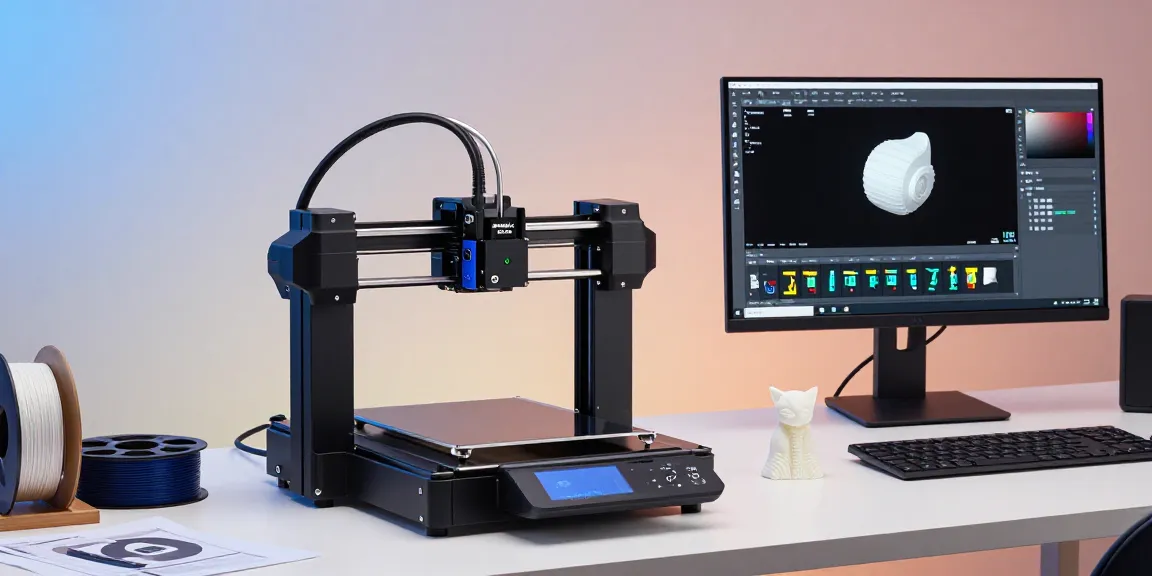
Understanding 3D Printing Technology
3D printing, also known as additive manufacturing, is revolutionizing the way we create and manufacture objects by building them layer by layer from digital models. As a dynamic technology that has evolved significantly over the years, 3D printing is no longer confined to industrial applications; it is increasingly accessible to hobbyists, educators, and small businesses alike. When exploring options, Best beginner 3D printer offerings play a pivotal role in facilitating this transition into the world of 3D modeling and printing.
What is 3D Printing?
At its core, 3D printing is the process of making three-dimensional solid objects from a digital file. This is accomplished through an additive process, where successive layers of material are laid down in different shapes until the entire object is created. The technology has a wide range of applications, from prototyping and manufacturing to education and art. Using CAD (Computer-Aided Design) software, users can design their models or download pre-made templates, setting the stage for limitless creativity and innovation.
How Does 3D Printing Work?
The basic workflow of 3D printing can be outlined in several stages:
- Design: A 3D model is created using CAD software or obtained from a library of designs.
- Slicing: The model is sliced into thin horizontal layers by slicing software, generating a G-code file, which contains instructions for the 3D printer.
- Printing: The printer starts laying down the material layer by layer according to the instructions in the G-code, gradually building up to the final object.
- Post-Processing: After printing, the object may require cleaning, support removal, and sometimes additional finishing work.
Types of 3D Printers for Beginners
For beginners looking to embark on their 3D printing journey, several types of printers are recommended:
- FDM (Fused Deposition Modeling): This is the most common variety, where thermoplastic filaments are heated and extruded to form layers. FDM printers like the SPARKX i7 are perfect for users looking for affordability and accessibility.
- SLM (Selective Laser Melting): Used mainly in professional contexts, SLM utilizes lasers to fuse powdered material, offering high precision but generally at a higher cost.
- SLA (Stereolithography): This process uses a UV laser to cure resin, producing detailed prints; however, the materials and post-processing can be more complex.
The Advantages of the SPARKX i7 3D Printer
The SPARKX i7 3D printer stands out as an exceptional choice for both novice and seasoned users. Its intuitive design, combined with high-performance features, makes it both user-friendly and versatile. Notably, the SPARKX i7 offers a variety of capabilities that are crucial for successful 3D printing.
Key Features Explained
One of the standout features of the SPARKX i7 is its build volume. With dimensions of 260 × 260 × 255 mm, it’s suitable for a plethora of project types. This printer incorporates AI technology to monitor prints in real-time, ensuring any potential print failures are addressed immediately. Its easy assembly and rapid calibration process allow users to start printing in under five minutes, making it a top contender in the realm of beginner 3D printers.
Why It’s Ideal for Beginners
The SPARKX i7 is affectionately dubbed the “best beginner 3D printer” for several reasons. It offers pre-set configurations optimized for a range of materials, which minimizes the chances of misprints often encountered by novices. Additional features such as a built-in camera for monitoring and a quiet operation mode make it user-friendly. Furthermore, the printer promotes a seamless integration experience by providing direct access to thousands of models through Creality Cloud, easing the learning curve significantly.
User Experiences and Reviews
User feedback for the SPARKX i7 has largely been positive, highlighting its reliability and quality output. Many users appreciate the printer’s quick setup process and minimal fuss required for maintenance. Testimonials reveal that previous Ender models pale in comparison to the printing speed and quality that the SPARKX i7 delivers, significantly enhancing user satisfaction.
Comparison with Other Beginner 3D Printers
When choosing a 3D printer, it’s essential to weigh your options carefully. The SPARKX i7 can be compared to several similarly priced competitors, offering great insights into its performance and value.
SPARKX i7 vs Competitor Models
- Elegoo Mars 3: A highly-rated SLA printer that excels in detail but lacks the ease of use and material variety found in the i7.
- Anycubic i3 Mega: Another popular FDM choice, offering great reliability, but the SPARKX i7 edges ahead with its wider build volume and additional smart features.
- Creality Ender 3 V2: Though a strong contender among budget printers, it requires more manual tuning and adjustments compared to the SPARKX i7’s streamlined setup.
Value for Money Aspect
Affordable pricing is an essential consideration for beginners, and the SPARKX i7 provides substantial value for its price point. It includes a quick-start guide, access to a wide range of printing materials, and support from a growing community, making it a smart investment for newcomers.
Support and Community Resources
The support offered to SPARKX i7 users is commendable, with access to online resources, tutorials, and forums. New users can benefit greatly from the guidance provided by both manufacturers and peers in the community, enriching the overall experience.
Getting Started with Your SPARKX i7
Once you have your SPARKX i7 3D printer set up, navigating the world of 3D printing will be an exciting adventure. A systematic approach can make learning how to use it effectively easier.
Setup Process Tips
Ensure you have a dedicated space for your printer equipped with the necessary tools. Unbox the printer carefully, follow the included step-by-step setup guide, and calibrate the bed using the built-in features. Make sure to familiarize yourself with the user interface on the touchscreen, which is intuitive and beginner-friendly.
Beginner’s Guide to 3D Modeling
For novices venturing into the world of design, using CAD software such as Tinkercad or Fusion 360 can be an excellent starting point. Both platforms offer user-friendly interfaces and are flexible enough for a variety of design projects. Tutorials specific to these platforms can help accelerate the learning curve.
Essential Maintenance and Upgrades
Routine maintenance will ensure your SPARKX i7 continues producing high-quality prints. Clean the nozzles regularly, check the calibration settings, and replace worn-out parts when necessary. Consider upgrading the firmware as new features become available, and explore community-developed enhancements to extend your printer’s capabilities.
Emerging Trends in 3D Printing for 2026
The 3D printing landscape is evolving rapidly, with innovations promising significant enhancements in user experience, printing quality, and sustainability.
Future of 3D Printing Technology
We anticipate that the future of 3D printing will involve more efficient materials, reduced production times, and greater accessibility to advanced printing technology. New materials such as bio-based filaments and advanced composites will become mainstream.
Sustainability Contributions of 3D Printing
Sustainability is gaining spotlight as the industry seeks ways to reduce waste. Effective recycling processes for filament materials, alongside advancements in biodegradable materials, are likely to contribute to a shift toward more responsible manufacturing practices.
The Role of AI in Enhancing Printing Efficiency
AI is set to play a transformative role in 3D printing. It will improve diagnostics, automate troubleshooting, and optimize print parameters dynamically based on environmental conditions and material characteristics. Continued integration of AI technologies will enhance operational efficiency, leading to higher quality outputs.
FAQs about the SPARKX i7 3D Printer
Is the SPARKX i7 easy to assemble?
Yes, the SPARKX i7 features a user-friendly design, allowing for quick assembly without complex tooling. Users can be ready to print in less than five minutes from unboxing.
What materials can I use with the SPARKX i7?
The SPARKX i7 is compatible with a variety of materials, including PLA, ABS, PETG, and specialty filaments, providing users with versatility for different printing needs.
Can I use my own designs with the SPARKX i7?
Absolutely! The SPARKX i7 supports custom designs, so you can create unique pieces or download designs from various online platforms. The ability to work with user-generated models is a significant advantage of this printer.
